
How Many Friends Does a Child Need?
Almost four years ago, I hosted a live conversation with Missy Willis of Let Em Go Barefoot about a question that quietly shapes how many of us think about homeschool socialization:
How many friends does a child need?
Recently, inside DITL, this exact question resurfaced:
“How do I access peer friendship and friend experiences for my child?”
And I immediately thought of this conversation.
Because underneath the surface-level concern about friendship is something much deeper:
What is friendship?
What is peer culture?
What have we normalized?
And what do children actually need for healthy social development?
This is not a “how to get your kid more friends” episode.
It’s a paradigm-shifting look at:
Peer orientation and what happens when children look to peers instead of adults for cues, identity, and belonging.
Attachment theory and why secure family connection matters more than we’ve been led to believe.
The difference between mixed-age play and same-age peer culture.
What makes a healthy friendship — for adults and children.
Playmates vs. friends.
Parentified children.
Observing behavioral signals instead of chasing social milestones.
We reference the work of Gordon Neufeld and Gabor Maté in Hold On to Your Kids, along with research from Peter Gray on mixed-age play and healthy development.
But mostly?
We ask better questions.
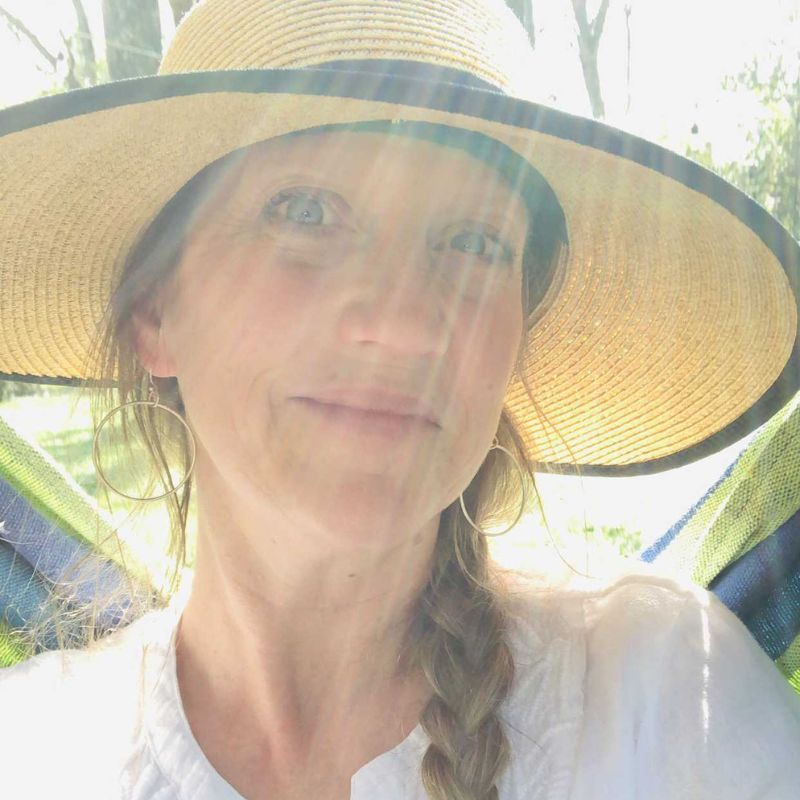
Meet Missy
Missy Willis is a master’s level teacher turned homeschooling mom of two, education content creator, interest-led learning cheerleader, and writer. She is the founder of Let ‘Em Go Barefoot, where she writes and speaks about unschooling, conscious parenting, and raising children in deep relationship. She is passionate about protecting childhood, prioritizing attachment, and questioning cultural norms around education and socialization. Missy’s work is rooted in the belief that children thrive when they are trusted, when play is protected, and when family connection comes first.
Resources and Support
Missy Willis:
Peer orientation + attachment:
- Hold On to Your Kids book by Neufeld and Maté
- Should We Rethink the Idea of Friendships for Our Kids? By Missy Willis
Mixed Age Play:
- The Special Value of Mixed-Age Play by Peter Gray
Laughter + connection blog:
- Laughter Sparks Learning in Homeschool by Kelly Edwards
Join Day in the Life community:
At the end of the day, trust your instincts and explore alternatives to what isn’t working!
I’d love to connect personally, find me on Instagram.
You’re doing a great job, let’s make it easier!
Kelly
Be Featured on the Podcast!
The 90-Minute School Day™ podcast aims to support all homeschooling families with a focus on neurodiverse families, with learning differences and unique learning styles. Be featured on the podcast by sharing your story, struggle or asking your question here. Or leave your recording by clicking the mic below.