What happens when traditional school isn’t a fit?
In this episode, we dive into unschooling students with disabilities with Dr. Gina Riley, Associate Professor of Special Education at Hunter College – School of Education (CUNY). We explore why families leave school, how intrinsic motivation supports learning, and what research reveals about neurodivergent learners thriving in low-demand, self-directed environments.
Whether you are a parent, therapist, or educator, this episode offers research-backed clarity and practical insight for supporting neurodivergent learners outside traditional classrooms.
What You’ll Learn in This Episode
- Why families leave school (and it’s rarely ideology)
- Unschooling as a healing environment
- Intrinsic motivation and self-determination
- Nervous system safety and learning
- How unschooling functions as built-in accommodation
- Caregiver fatigue and lack of respite
- The need for unschooling-informed doctors, therapists, and educators
- Why research matters for advocacy and legitimacy
Dr. Riley brings both academic research and lived experience as an unschooling parent to this conversation, offering insight for:
- Parents of disabled and neurodivergent children
- Pediatricians, therapists, psychologists, occupational therapists
- Educators and special education professionals
- Anyone rethinking what meaningful learning can look like
Unschooling is not the absence of education.
For some learners, it may be the least restrictive and most developmentally appropriate environment available.
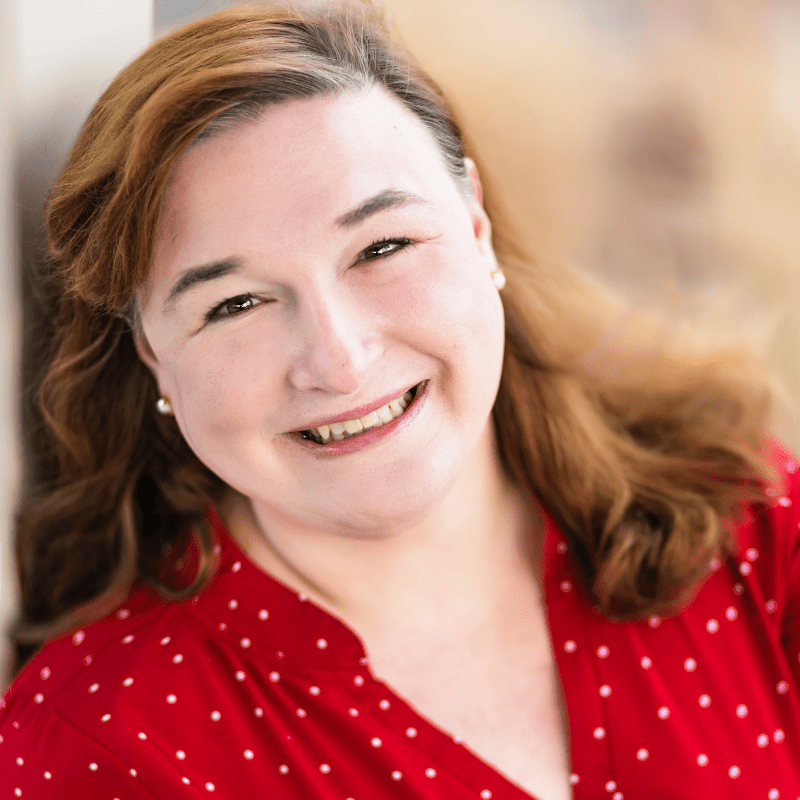
Gina Riley, Ph.D.
Dr. Riley is associate professor of special education at Hunter College and the Program Director of their Adolescent and All-Grades Special Education Master’s programs.
Dr. Riley is also an educational psychologist whose work focuses on how people learn when we place intrinsic motivation, autonomy, and self-determination at the center, whether that’s in schools, online environments, or in families choosing alternatives to traditional schooling.
She has conducted significant research on homeschooling and unschooling, and is the author of dozens of academic articles and several books, including Unschooling: Exploring Learning Beyond the Classroom and The Homeschooling Starter Guide.
Dr. Riley also has expertise in Supported Decision Making, helping students with disabilities build autonomy and agency, and has led the development of nationally and internationally used decision-making curricula for K-12 learners.
Her work bridges research, practice, and lived experience, and her study Unschooling Students with Disabilities is the first peer-reviewed research of its kind. It gives us a rare look at the real motivations, benefits, and experiences of families moving away from traditional school toward unschooling.
Resources and Support
- Dr. Riley’s study: Unschooling Students with Disabilities
- Learn more about Dr. Riley
- Join Day in the Life Community
- Learn more about the 90-Minute School Day
At the end of the day, trust your instincts and explore alternatives to what isn’t working!
I’d love to connect personally, find me on Instagram.
You’re doing a great job, let’s make it easier!
Kelly
Be Featured on the Podcast!
The 90-Minute School Day™ podcast aims to support all homeschooling families with a focus on neurodiverse families, with learning differences and unique learning styles. Be featured on the podcast by sharing your story, struggle or asking your question here. Or leave your recording by clicking the mic below.