
What if your child’s resistance to math has nothing to do with math?
When a neurodivergent child refuses to do math, resists learning, or says they hate it, most parents assume it’s a curriculum problem. Maybe it’s the wrong program, the wrong approach, or the wrong timing.
But what if the resistance is pointing to something the whole family is carrying without realizing it?
That’s the heart of today’s conversation. Dr. Sarah Eason is a researcher at Purdue University who has spent her career studying how family interactions shape children’s early math development. Her work offers a striking reframe: math anxiety isn’t just a child’s problem. It lives in families. It travels through tone of voice, through avoidance, through the stories we tell ourselves about who is and isn’t a “math person” and it reaches children long before they ever sit down with a worksheet.
WHAT WE COVER IN THIS EPISODE
- When a child is avoiding math or says they hate it, what are we actually looking at?
- How early does math anxiety start, and how does it show up in a family even when no one is talking about it directly?
- How do a parent’s feelings about math (fear, pressure, shame) reach their child without a word being spoken?
- What counts as “math learning” that most homeschooling and unschooling families are already doing and completely overlooking?
- Do children need formal instruction to learn math well, or is something else doing the heavy lifting?
- What does research say actually predicts long-term math success?
- What parent behaviors quietly shut down math learning and what does it look like when it’s going well?
- If a child isn’t doing worksheets or formal math lessons, will they fall behind?
- What would Sarah want a parent to understand about their role in their child’s math learning?
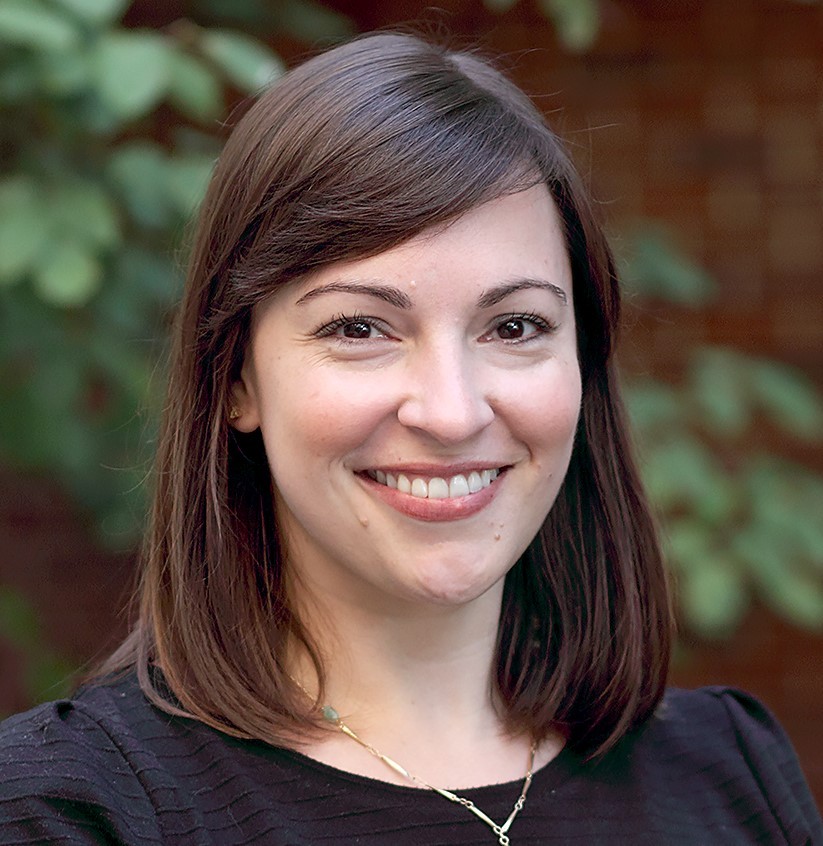
Sarah Eason, PhD.
Dr. Sarah Eason is an Assistant Professor of Human Development and Family Science at Purdue University. Her research focuses on early math development, with a particular emphasis on the role of family interactions—how parent beliefs, language, and experiences shape children’s relationship with math from a young age. She has led and contributed to a wide body of research examining family math engagement, math anxiety, and the ways children learn through everyday activities and play. Her work helps expand our understanding of what meaningful math learning looks like, both in and beyond traditional educational settings.
Resources and Support
- Dr. Sarah Eason — Purdue University Faculty Page
- 90-Minute School Day Training
- 90-Minute School Day in the Life Community
- 90-Minute School Day Free Learning Translator
At the end of the day, trust your instincts and explore alternatives to what isn’t working!
I’d love to connect personally, find me on Instagram.
You’re doing a great job, let’s make it easier!
Kelly
Be Featured on the Podcast!
The 90-Minute School Day™ podcast aims to support all homeschooling families with a focus on neurodiverse families, with learning differences and unique learning styles. Be featured on the podcast by sharing your story, struggle or asking your question here. Or leave your recording by clicking the mic below.