
Ep. 60 – Math Anxiety is a Trojan Horse with Dr. Sarah Eason
Math anxiety in neurodivergent kids often starts with us. Dr. Eason’s research reveals how parent emotions shape children’s math.

Math anxiety in neurodivergent kids often starts with us. Dr. Eason’s research reveals how parent emotions shape children’s math.

What if the years your child and teen spent playing, exploring, and following curiosity weren’t wasted time — but exactly the preparation they needed?
Can unschooling really lead to university? Child development expert Judy Arnall shares the research, the roadmap, and what parents need to know.

What happens when traditional school isn’t a fit?
In this episode, we dive into unschooling students with disabilities with Dr. Gina Riley. We explore why families leave school, how intrinsic motivation supports learning, and what research reveals about neurodivergent learners thriving in low-demand, self-directed environments.

How many friends does a child need? An attachment-based look at peer orientation, homeschool socialization, and healthy development. Influenced by the work of Gordon Neufeld, Gabor Maté, and Peter Gray, this is a paradigm-shifting look at friendship that challenges cultural norms around socialization.

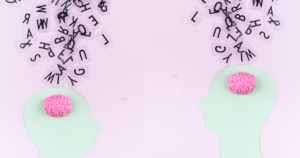
“I’m not reading, but everyone else is.” This episode explores dyslexia, late readers, and homeschooling beyond school benchmarks—how kids learn to read without pressure, why timelines differ, and how parents can support literacy without fear.

How watercolor helps homeschooling parents regulate the nervous system, release perfectionism, and deschool—supporting neurodivergent kids through burnout and recovery.

Let’s explore how boundaries and belonging work together to create safety, connection, and authenticity in our families. Especially for those of us parenting and home educating neurodivergent and PDA children who need spaciousness, autonomy, and felt-safety to thrive and learn.

The conclusion of the “Start Where You Are” series
Conventional interventions often offer “helpful harm,” leading to poorer outcomes than self-directed educational approaches for dyslexic and other neurodivergent learners.

What if math was never the problem—just the way we’ve been taught to see it? Join Kelly Edwards and Sue Patterson to discover how reframing math can dissolve anxiety, rebuild trust in natural learning, and change the way your family learns forever.